
In 2026, organic reach has become one of the most contested assets in digital marketing. Platform algorithms are more selective than ever, and brands that rely solely on paid promotion are losing ground to those who have invested in smarter, more sustainable strategies. Social media optimization has emerged as the definitive approach for growing visibility without inflating ad budgets.
The rules of the game have shifted significantly. Instagram, LinkedIn, YouTube, Facebook, and X (formerly Twitter) each reward content that aligns with their algorithm priorities, and understanding those priorities is now a core competency for marketers, business owners, and content creators alike.
This guide covers everything you need to know about maximizing organic reach through proven optimization tactics, from profile setup and content planning to engagement signals and cross-platform visibility strategies.
What Is Social Media Optimization and Why Does It Matter in 2026?
Social media optimization is the practice of enhancing social profiles, content formats, posting strategies, and audience engagement to increase organic visibility across platforms. It goes far beyond aesthetics or posting frequency. It involves deliberate decisions about search intent, engagement rate, platform behavior, and content distribution that collectively improve how algorithms rank and surface your content.
- It reduces dependence on paid advertising by building sustainable organic reach over time.
- It strengthens digital presence across multiple platforms simultaneously.
- It increases content discoverability through both platform search and algorithmic distribution.
How Platform Algorithms Determine Organic Content Reach
Every major social platform uses machine learning to decide what content appears in feeds and discovery sections. Algorithms measure engagement rate, content relevance, posting consistency, and audience behavior signals to rank posts. Accounts that consistently produce content aligned with these signals earn higher organic distribution without paying for placement.
- Engagement velocity in the first hour after posting strongly influences content distribution.
- Watch time, saves, and shares carry heavier algorithmic weight than passive likes.
- Consistent posting schedules signal reliability to algorithms and improve long-term reach.
Profile Optimization as the Starting Point for Search Discovery
A fully optimized profile is the foundation of search discovery on any platform. Keyword-rich bios, accurate account categories, and professional visuals signal authority to both users and algorithms. On LinkedIn, this means using industry-specific terms in headlines and summaries. On YouTube and Instagram, it means clear descriptions and branded profile elements aligned with your content niche.
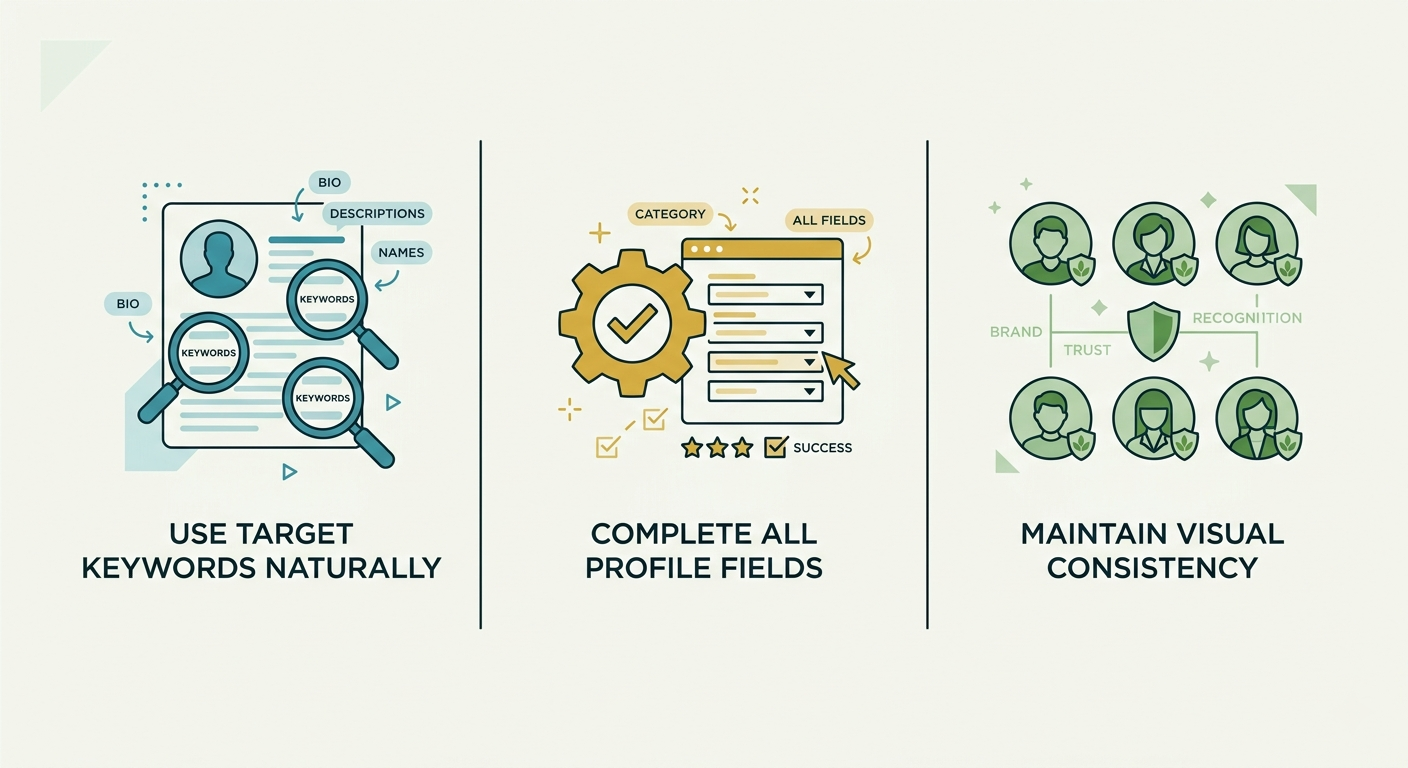
- Include target keywords naturally in bios, descriptions, and profile names.
- Select the correct account category and complete every available profile field.
- Maintain visual consistency across profile imagery to reinforce brand recognition and trust.
Content Strategy That Drives Consistent Organic Reach Growth
High-performing content in 2026 is educational, community-driven, or entertaining in a format native to each platform. Short-form video dominates distribution on Instagram Reels, YouTube Shorts, and X, while long-form content on LinkedIn and YouTube builds topical authority over time. A well-planned content calendar balances trending formats with evergreen topics to maintain stable discoverability.
- Prioritize platform-native formats rather than repurposed content from other channels.
- Use content series to encourage return audience behavior and signal relevance to algorithms.
- Mix trending and evergreen content to sustain both immediate and long-term visibility.
Hashtag and Keyword Tactics for Platform Search Visibility
Hashtags and keywords remain critical tools for platform-level search discovery. On Instagram and LinkedIn, targeted hashtags connect content to users actively searching those topics. YouTube operates as a standalone search engine, making keyword placement in titles, descriptions, and tags essential for video ranking. Tools like Meta Business Suite and Hootsuite can surface trending search terms most relevant to your audience.
- Combine broad, niche, and branded hashtags to extend reach without dilution.
- Place primary keywords in the first line of captions and video descriptions for better indexing.
- Use platform analytics to identify which hashtag clusters drive the highest engagement rate.
Engagement Signals and Their Connection to Social Signals for SEO
Social signals, including shares, comments, and saves, contribute to broader search engine visibility by indicating content quality and audience relevance. Google’s Knowledge Graph incorporates data from verified social profiles, making a strong LinkedIn, YouTube, and Facebook presence valuable beyond the platforms themselves. Brands that earn consistent engagement also build the type of E-E-A-T signals that improve overall search authority.
- Ask questions or include clear calls to action to encourage meaningful comment activity.
- Respond to comments within the first few hours to extend engagement momentum after publishing.
- Track share and save rates using Buffer or native analytics to measure content authority over time.
When to Post and How Timing Affects Content Distribution
Posting time directly affects how many users see content before the algorithm evaluates its performance. Each platform has audience-specific peak activity windows that vary by industry, region, and demographic. Scheduling tools like Buffer and Hootsuite help businesses publish at optimal times consistently, which compounds algorithmic favorability across weeks and months.
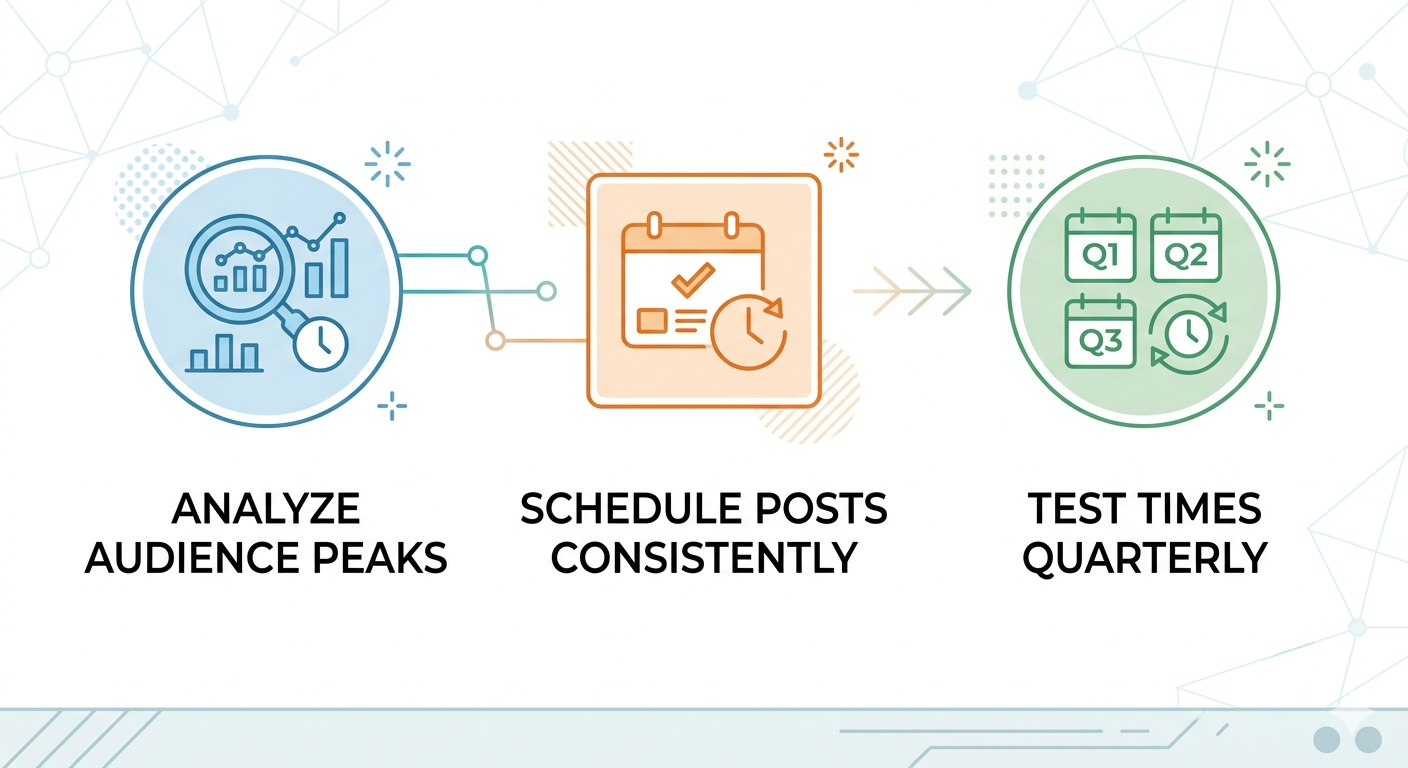
- Use platform insights to identify peak activity windows for your specific audience segment.
- Schedule posts in advance to maintain consistency without relying on manual daily publishing.
- Test different posting times quarterly to adapt to shifting audience behavior and algorithm updates.
Cross-Platform Visibility and Audience Targeting Strategies
Building visibility across multiple platforms amplifies content distribution and reduces dependency on any single algorithm. Repurposing core content into platform-native formats, such as turning a LinkedIn article into an Instagram carousel or a YouTube video into clips for X, extends reach without doubling the content workload. Audience targeting strategies should align messaging to the intent and behavior of each platform’s user base.
- Adapt content format and tone for each platform rather than posting identical material everywhere.
- Use cross-platform linking to drive traffic between profiles and increase overall digital presence.
- Align audience targeting parameters with platform-specific behavior data for stronger content relevance.
Measuring and Refining Your Strategy Over Time
Optimization is not a one-time task. Tracking the right metrics regularly allows marketers to identify what is working and where distribution gaps exist. Engagement rate, reach per post, follower growth rate, and profile visit trends are the core indicators of whether a strategy is gaining traction. Quarterly audits using tools like Meta Business Suite, Hootsuite, or platform-native dashboards keep strategies aligned with algorithm updates and shifting audience behavior.
- Review reach and engagement metrics weekly to spot performance trends before they compound.
- Conduct a full profile and content audit every quarter to stay aligned with algorithm updates.
- Use A/B testing on content formats, captions, and posting times to optimize results continuously.
Conclusion
Organic reach in 2026 belongs to brands and creators who treat their social presence as a strategic asset to be deliberately built and consistently refined. From profile optimization and content strategy to hashtag targeting and engagement signals, every element of a well-executed approach contributes to compounding visibility over time. Businesses ready to accelerate their growth but unsure where to begin should consider partnering with an experienced digital marketing agency that specializes in platform-specific organic growth strategies and measurable results.
The platforms will keep evolving, and algorithms will continue to reward quality, relevance, and consistency above all else. Organizations that commit to ongoing refinement now will be far better positioned to lead their industries in organic reach, search discovery, and social visibility throughout the years ahead.
Frequently Asked Questions
How does social media optimization differ from standard social media marketing?
Social media optimization focuses specifically on improving organic visibility through profile quality, content alignment, and engagement signals, while social media marketing often includes paid promotion and broader campaign objectives. Optimization is the structural foundation that makes all marketing efforts more effective and cost-efficient. Both disciplines work best when applied together as part of a unified digital growth strategy.
Which social media platforms benefit most from an social media optimization strategy in 2026?
LinkedIn, YouTube, and Instagram consistently reward well-optimized profiles and content with strong organic distribution. YouTube in particular functions as a search engine, making keyword placement critical for video discovery and reach. Each platform has distinct algorithm priorities, so tactics should always be tailored to the specific platform rather than applied uniformly.
How long does it take to see organic reach growth from an social media optimization strategy?
Most businesses begin seeing measurable improvements in organic reach within 60 to 90 days of applying consistent optimization practices. Profile improvements and keyword alignment often yield faster initial results, while content authority and engagement signals build more gradually over several months. Patience and posting consistency are both essential to achieving sustainable long-term growth.
What are the most important metrics to track when measuring social media optimization performance?
Engagement rate, organic reach per post, follower growth rate, and profile visit trends are the most reliable indicators of progress. Saves and shares tend to signal content quality more accurately than likes alone and carry greater algorithmic weight. Tracking these metrics weekly through tools like Meta Business Suite or Hootsuite gives marketers the data needed to refine their approach continuously.